From Stress to Stillness: Restorative Yoga for Busy Professionals
Modern professionals often live in a constant state of “on.” Emails at midnight, back-to-back meetings, tight deadlines, and the hum of notifications create a steady undercurrent of stress. Over time, this chronic tension doesn’t just exhaust the mind; it seeps into the body—tight shoulders, aching lower back, restless sleep, shallow breathing, and a racing mind that won’t switch off.
Restorative yoga offers a radically different approach. Instead of pushing, strengthening, or sweating, it invites you to stop. To be still. To rest deeply enough that your nervous system can finally exhale, reset, and repair.
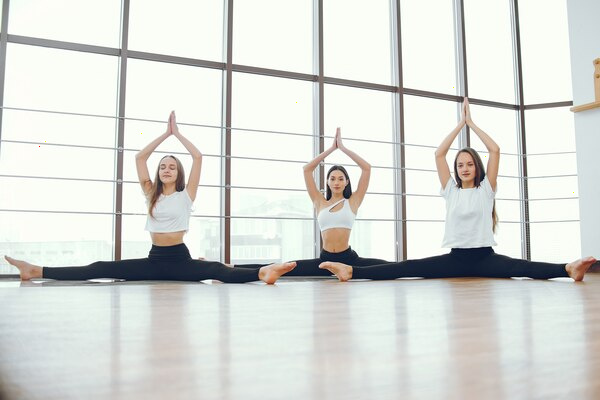
This is not about being flexible or “good at yoga.” It’s about creating pockets of profound rest in the middle of a demanding life—and learning to access calm even when your schedule doesn’t change.
What Is Restorative Yoga?
Restorative yoga is a gentle, floor-based style of yoga that uses props—blankets, blocks, pillows, bolsters, straps, even a couch—to fully support the body in comfortable positions for longer periods of time (typically 5–20 minutes per pose).
Key characteristics:
- Minimal muscular effort – You’re not trying to stretch deeply or build strength; the goal is comfort and ease.
- Long-held poses – Time in each pose allows your body to shift from “fight or flight” into “rest and digest.”
- Emphasis on the nervous system – The primary target isn’t your hamstrings or hips; it’s your stress response.
- Accessible to all levels – You don’t need prior yoga experience, specific clothing, or special equipment to begin.
In a world that glorifies productivity and hustle, restorative yoga is a deliberate practice of non-doing—an antidote to burnout.
How Chronic Stress Affects Busy Professionals
For many professionals, stress feels normal. You might even feel more “productive” under pressure. But your body pays a price when stress becomes your baseline.
Common effects of chronic stress include:
- Mental and emotional: irritability, anxiety, low mood, difficulty focusing, decision fatigue.
- Physical: headaches, tension in jaw, neck, and shoulders, digestive issues, elevated blood pressure, fatigue.
- Behavioral: poor sleep, reliance on caffeine or sugar, decreased motivation to exercise, emotional eating or drinking.
Physiologically, prolonged stress keeps your sympathetic nervous system activated—the part associated with alertness and survival. While this state is helpful in short bursts, it’s draining when it never turns off.
Restorative yoga directly supports the parasympathetic nervous system, often referred to as the “rest and digest” mode. With regular practice, you’re training your body to access calm more quickly and stay there longer.
Why Restorative Yoga Works (Especially for High-Achievers)
Professionals who are used to pushing themselves often struggle with the idea of rest. Sitting still can feel unproductive; relaxation can even trigger anxiety at first. That’s precisely why a structured rest practice is so valuable.
Restorative yoga helps by:
- Regulating the nervous system
Supported, restful poses tell your body: “It’s safe now.” Heart rate slows, breathing deepens, muscles soften, and your brain receives the signal that it can step out of emergency mode.
- Reversing physical tension patterns
Many office workers live in a forward-hunched posture: shoulders rounded, chest collapsed, neck strained. Restorative poses like supported heart openers, gentle twists, and passive hip openers unwind these habits gradually.
- Improving sleep quality
When practiced in the evening, restorative yoga can help release the accumulated stress of the day, making it easier to fall asleep and stay asleep.
- Sharpening focus and clarity
Deep rest isn’t laziness; it’s maintenance. After restorative practice, many people report clearer thinking, increased creativity, and more emotional resilience.
- Offering a realistic, sustainable self-care option
Unlike intense workouts or lengthy wellness routines, restorative yoga can be done in 10–20 minutes, at home, in comfortable clothes, with minimal setup. It’s designed to be integrated into real, busy lives.
Common Myths That Keep Professionals Away
A few misconceptions often prevent busy people from trying restorative yoga:
- “I don’t have time.”
Even 10 minutes can make a difference. Restorative yoga is not all-or-nothing; small, consistent practices are powerful.
- “I’m not flexible enough.”
Flexibility is irrelevant here. Props and support adapt the pose to your body, not the other way around.
- “Resting is lazy; I need to be productive.”
Chronic stress silently erodes performance. Strategic rest is a high-impact productivity tool—your mind works better when your nervous system is regulated.
- “I can’t quiet my mind, so it won’t work for me.”
Restorative yoga doesn’t require a blank mind. Thoughts will come and go; your job is simply to notice them and return attention gently to your breath or physical sensations.
Simple Restorative Poses You Can Do at Home
You don’t need a studio to start. A yoga mat is optional; a carpet or blanket works fine. Use what you have: bed pillows, couch cushions, rolled towels, folded blankets, or books instead of blocks.
Below are four beginner-friendly poses tailored to stressed professionals. Move slowly, and if anything causes pain (not just mild discomfort or stretching), come out of the pose.
1. Supported Child’s Pose (For Overloaded Minds and Tight Backs)
Benefits: Calms the nervous system, gently releases lower back, soothes fatigue.
How to:
- Place a firm pillow or two stacked pillows lengthwise on the floor.
- Kneel in front of them, big toes touching, knees apart as wide as comfortable.
- Lower your torso onto the pillows, turning your head to one side (switch sides halfway through).
- Let your arms rest alongside the pillows or on the floor.
- Stay for 3–5 minutes, breathing slowly into your back.
This is especially helpful after a long day of sitting at a computer.
2. Legs Up the Wall (For Swollen Feet, Restless Legs, and Mental Overdrive)
Benefits: Relieves tired legs, encourages venous return, calms the mind, supports sleep.
How to:
- Sit sideways with one hip against a wall.
- Gently swing your legs up the wall as you lower your back to the floor, forming an L-shape.
- Place a folded blanket or pillow under your hips if that feels better.
- Let your arms rest by your sides, palms up.
- Close your eyes or soften your gaze; stay for 5–10 minutes.
If a wall isn’t available, you can rest your lower legs on a couch or chair instead.
3. Supported Heart Opener (For Rounded Shoulders and Screen Posture)
Benefits: Opens the chest, counteracts slouching, deepens breath, supports emotional release.
How to:
- Roll up a blanket or use a long pillow/bolster and place it horizontally on the floor.
- Sit with the short end of the roll touching your lower back.
- Slowly lie back so the roll is under your upper back and shoulder blades, letting your head rest on the floor or another small pillow.
- Arms fall comfortably out to the sides, palms up.
- Knees can be bent with feet on the floor, or legs extended if your lower back is comfortable.
- Stay for 3–8 minutes, breathing gently into the chest.
Adjust the height so it feels like a gentle opening, not an intense stretch.
4. Reclined Bound Angle (For Hip Release and Deep Rest)
Benefits: Softens hip tension, relaxes the groin, supports restful breathing and emotional unwinding.
How to:
- Lie on your back.
- Bring the soles of your feet together, letting your knees fall open like a butterfly.
- Place pillows or folded blankets under your thighs so your hips feel fully supported—no strain.
- Optionally rest one hand on your chest and one on your abdomen.
- Stay for 5–10 minutes, observing the rise and fall of your breath.
If this feels too intense on the hips, simply bend your knees and place your feet wider than hip-width with knees leaning in towards each other.
Making Restorative Yoga Work in a Busy Schedule
You don’t need a 60-minute class to benefit. Think of restorative yoga as micro-recovery spaces in your day.
A few practical strategies:
- Morning reset (5–10 minutes):
Before checking your phone, spend a few minutes in Supported Child’s Pose or Reclined Bound Angle. Set an intention for how you want to move through your day.
- Midday break (5 minutes):
Between meetings, close your door (or use headphones as a visual “do not disturb” sign) and practice Legs Up the Wall or simply lie on the floor with your legs on a chair.
- Evening transition (10–15 minutes):
After work—but before you dive into family responsibilities—take time for a Supported Heart Opener to signal to your body that the workday is over.
- Pre-sleep ritual (10–20 minutes):
Dim the lights, silence notifications, and choose one or two poses that feel most soothing. Practice slow, lengthened exhales to guide your nervous system toward sleep.
Consistency matters more than duration. Two or three short sessions per week can be more effective than a single long session you rarely manage to do.
Working with the Restless Mind
Many professionals find that the body is willing to rest, but the mind keeps spinning. Instead of fighting that, give your mind a job that supports relaxation:
- Counted breathing:
Inhale for a count of 4, exhale for a count of 6 or 8. Longer exhales signal safety to the nervous system.
- Body scan:
Slowly move your attention from your toes up to your head, noticing areas of tension and inviting them to soften.
- Anchor word or phrase:
Mentally repeat a simple phrase like “Inhale: soften. Exhale: let go,” synchronized with your breath.
- Gentle curiosity:
When thoughts about work appear, silently label them “thinking” without judgment, and come back to the sensation of your body resting on the props.
Over time, this becomes a skill you can use even outside of yoga—during difficult conversations, before big presentations, or when you feel overwhelmed.
Signs Your Practice Is Helping
The benefits of restorative yoga are often subtle at first but accumulate with regular practice. You might notice:
- You fall asleep more easily or wake feeling more rested.
- Your shoulders and jaw are less chronically tight.
- You feel a small “pause” between stimulus and reaction—you’re less reactive in stressful situations.
- You experience more clarity and focus when working.
- You begin to crave the stillness and feel the difference when you skip it.
These changes indicate that your nervous system is becoming more resilient and adaptable.
Bringing Stillness into a High-Pressure Life
Restorative yoga won’t remove deadlines or shrink your inbox. What it changes is the inner environment from which you meet those demands.
By regularly practicing supported stillness, you:
- Learn to recognize when you’re sliding into burnout.
- Create a reliable, body-based method to downshift from stress.
- Build a deeper connection to your own signals of fatigue and tension.
- Reclaim rest as a non-negotiable foundation for high performance, not a luxury reward.
For busy professionals, this isn’t about becoming a different person; it’s about giving your current self the conditions needed to function at your best—clearer, steadier, and more grounded.
You don’t need a perfect setup or an hour-long routine to begin. Choose one pose, set a timer for 5 minutes, and let your body be fully supported. In that quiet space, you might discover that stillness isn’t empty at all—it’s where your capacity, creativity, and resilience are quietly restored.